How to choose a protein powder that fits your routine
A bigger scoop does not always mean more protein. Learn what to compare on the label and how to decide whether a protein powder earns a place in your routine.

IN THIS GUIDE

To choose a protein powder, compare the protein in a measured serving, the source of that protein, the full ingredients and the cost per serving. Then ask how you will actually use it. The right choice should fit your diet and routine, rather than simply offer the largest tub or boldest label.
If you have ever stood in front of a shelf of powders wondering which number matters, start here.
Decide what job the powder needs to do
Protein is needed for building and repairing muscle. People taking part in strength or endurance sport can have higher requirements, but the British Dietetic Association says a balanced diet can usually provide enough when overall energy needs are met. [1]
Look at your normal meals before adding a shake. Eggs, yoghurt, fish, meat, beans and other protein-containing foods may already give you a workable starting point. [1] A powder can be a convenient option where it helps you meet a genuine need; it is not a compulsory part of exercising.
Be specific about the practical gap. Will you use it after an early session when breakfast is rushed, or add it to a meal you already make? If you cannot picture when you would use it, a large tub may become an expensive cupboard ornament.
Compare protein rather than scoop size
The weight of a scoop is not the weight of protein it contains. Check both the serving size and the grams of protein in that serving. Nutrition information per 100g helps you compare products on the same basis. [2]
Here is an illustrative example:
- Powder A provides 24g of protein in a 30g serving.
- Powder B provides 24g of protein in a 40g serving.
Both servings provide the same amount of protein. Powder B’s larger scoop does not give you more. It also means you use the tub more quickly: a 600g pack contains 20 servings at 30g, but only 15 at 40g.
Check whether the nutrition figures describe the powder alone or a prepared drink. Adding milk or another drink changes the finished serving, so use the preparation method stated on the label when comparing.
Check dietary suitability before flavour
Start with the protein source and full allergen information. A flavour you love is irrelevant if the formula does not suit your dietary requirements. Check any vegan claim on the individual product rather than assuming all powders in a range are alike.
Milk allergy and lactose intolerance are different. Milk allergy involves a reaction to milk proteins, while lactose intolerance involves difficulty digesting milk sugar. A lactose-free claim does not establish that a product is suitable for someone with a milk allergy. [3]
Check the rest of the formula too. If you only want a straightforward protein product, look carefully at blends containing added stimulants, botanicals or several extra nutrients. You should be able to explain why you want those additions.
Work out the value you will actually get
Divide the pack price by its number of servings. For instance, a £24 tub providing 20 servings costs £1.20 per serving. Compare products providing similar amounts of protein, otherwise the cheapest scoop can be misleading.
Taste, texture and preparation matter because you need to enjoy using what you buy. Where smaller packs are available, they can help you decide before committing to a large quantity. Follow the stated measuring instructions rather than estimating a heaped scoop.
Questions before your first tub
Do I need a shake immediately after every workout?
Not automatically. The BDA recommends spreading protein intake through the day. Your overall diet and training needs matter more than making every session end with a shake. [1]
What should competitive athletes check?
UK Anti-Doping advises athletes to assess supplement need and risk, and to check the actual batch of any batch-tested product. Testing can reduce contamination risk but does not remove it entirely. [4]
Build around the routine you have
Write down your intended use, dietary requirements and budget per serving before shopping. Keep those beside you when you compare labels. For other products to consider alongside your routine, explore Nura’s Fitness Nutrition collection and check the details of each item individually.
Sources and further reading
Explore the details.

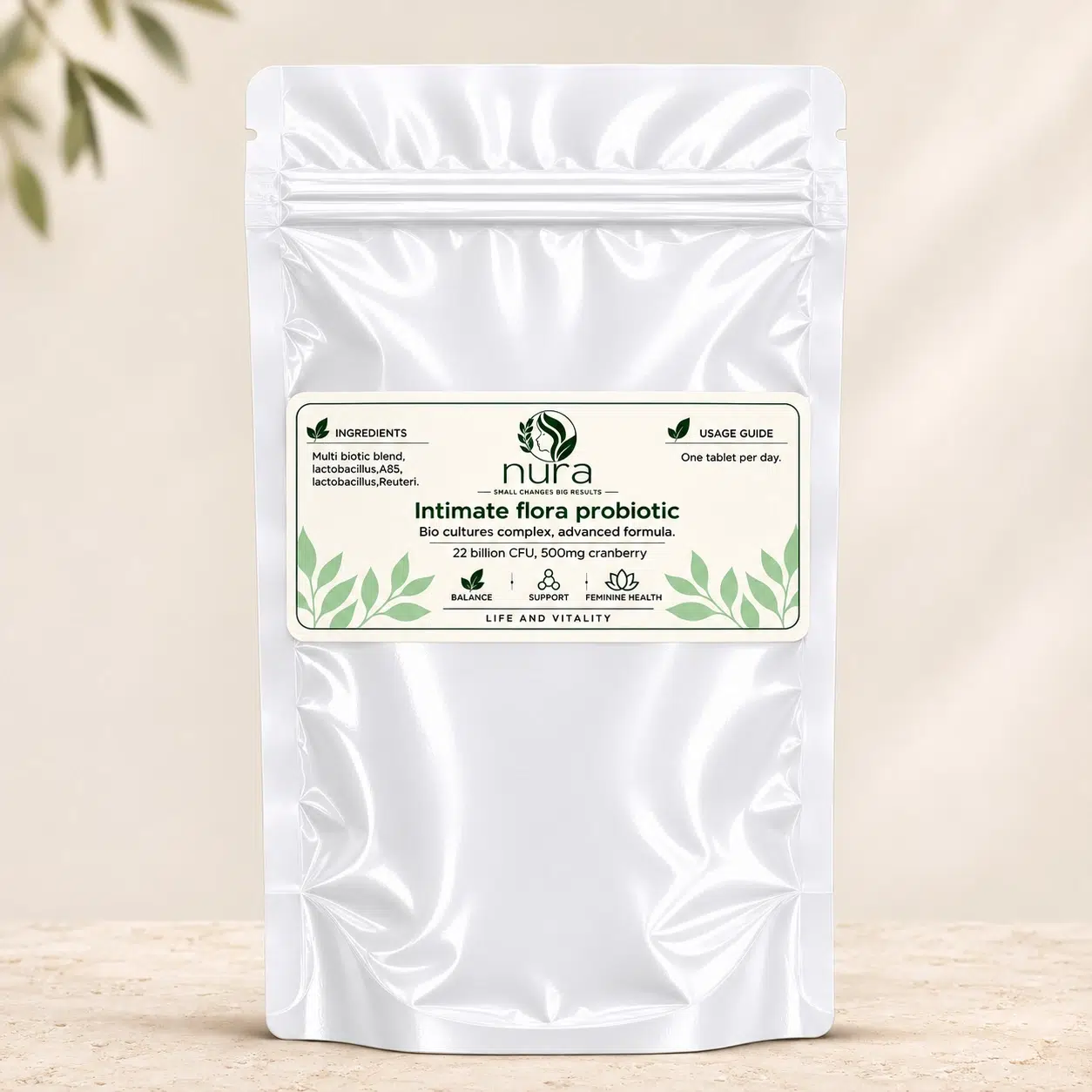
Lactobacillus live cultures and cranberry in a simple daily capsule. Nura Intimate Flora contains 30 oral capsules, with no drink to prepare. £9 per pack.

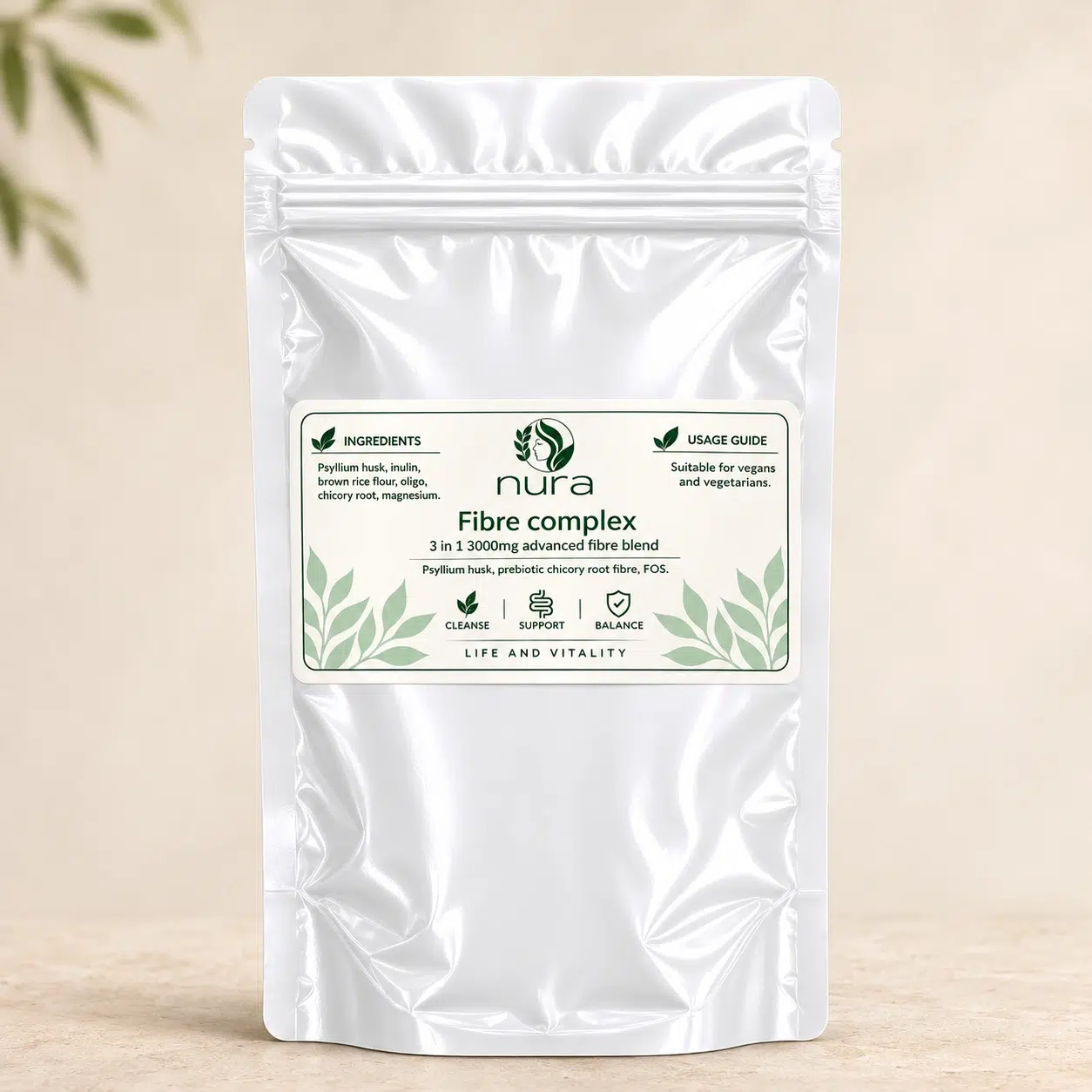
A convenient fibre blend with psyllium husk, inulin, chicory root fibre and FOS. Nura Fibre Complex contains 30 capsules and is suitable for vegans and vegetarians. No powder to mix.

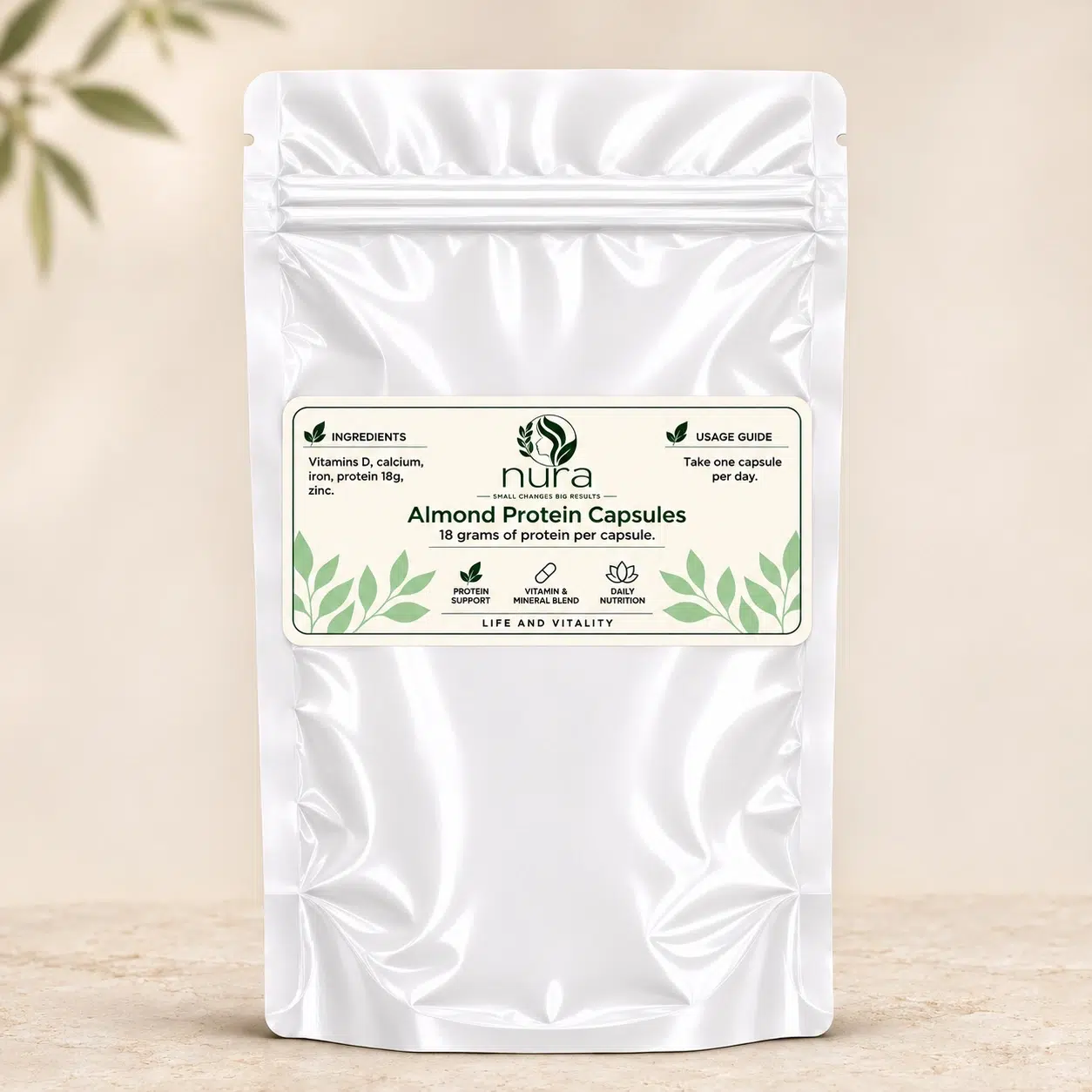
A convenient capsule format with protein, vitamin D, calcium, iron and zinc. Nura Advanced Protein Capsules contain 30 capsules per pouch, with no shake to mix. £10 per pack.
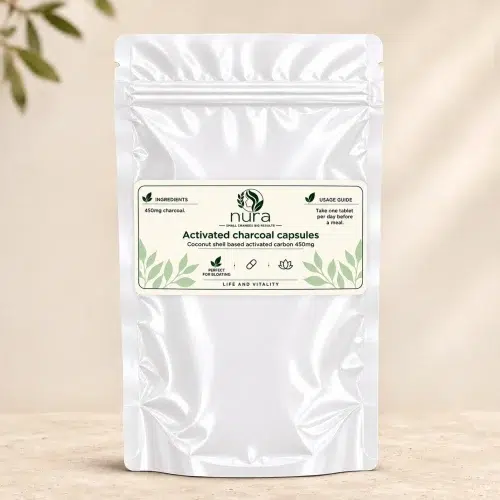
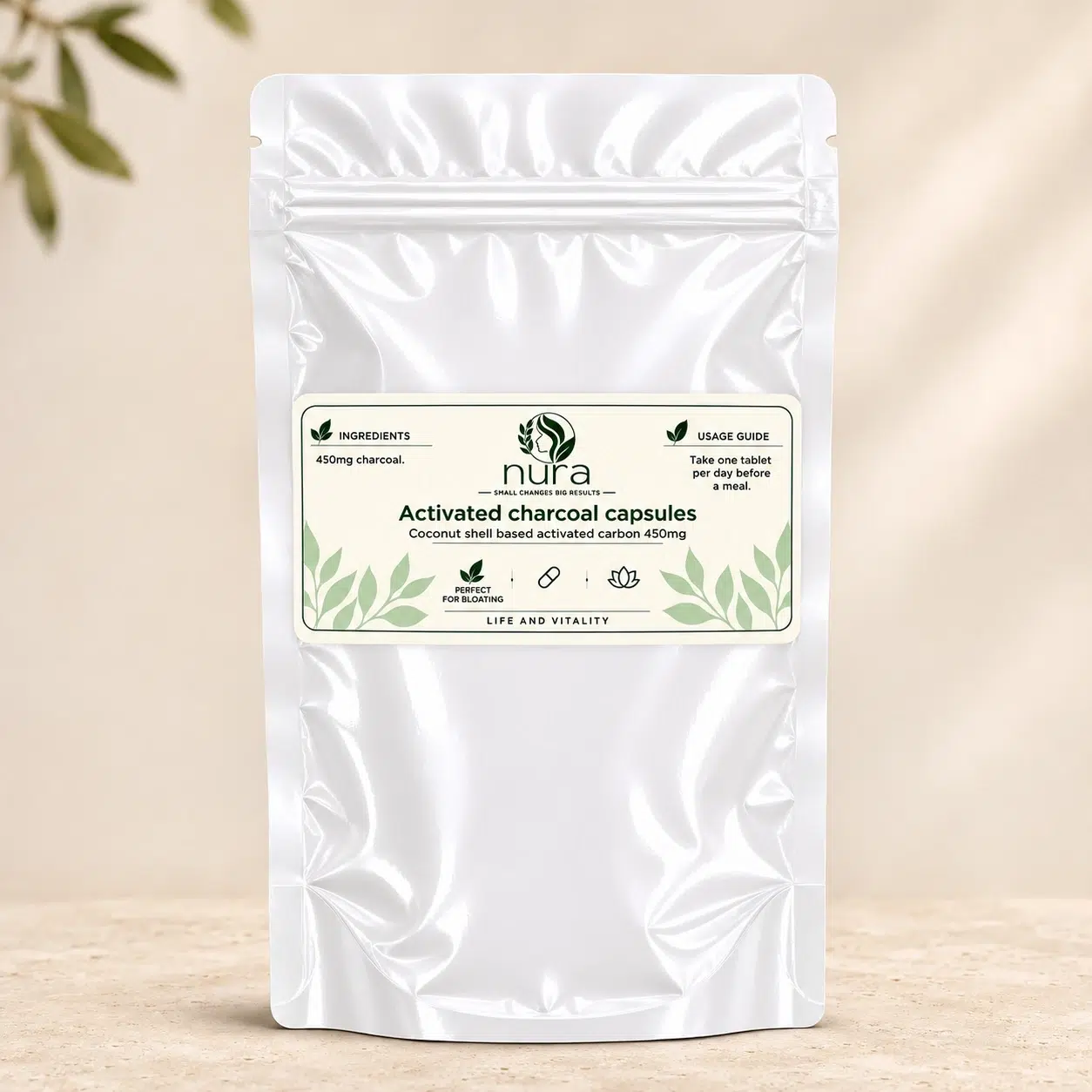
Coconut shell activated charcoal in a convenient 30-capsule pouch. Nura Advanced Charcoal offers a simple capsule format without loose powder to measure. £8 per pack.