The difference between supplements and medicines
A similar-looking bottle does not mean a similar purpose. Understand what food supplements can offer, how medicines differ and what to check before you buy.


Food supplements add nutrients or other substances to your normal diet. Medicines have a different purpose and regulatory framework, including the treatment or prevention of illness. A supplement is not a replacement for prescribed treatment, even when its name or packaging sounds medical. [1]
That distinction matters when you are browsing wellness products. Tablets, capsules and bottles can look familiar, but their appearance tells you very little about what they are intended to do.
What is a food supplement?
Food supplements include products such as vitamin tablets, mineral capsules and some nutritional powders. They are intended to supplement the diet and are sold in measured portions. The Food Standards Agency makes clear that products intended for injection are not food supplements. [1]
There are circumstances where supplements are recommended. For example, NHS advice is that adults should consider a daily supplement containing 10 micrograms of vitamin D during autumn and winter. Some people are advised to take it throughout the year. [2]
That is a specific recommendation for a particular nutrient. It does not mean everyone needs a large collection of supplements, or that every product containing vitamin D has the right serving for that purpose.
How are medicines different?
Licensed medicines go through a development and assessment process. The Medicines and Healthcare products Regulatory Agency grants UK licences when the required standards are met. The licence specifies uses and dosage information. [3]
Some medicines require a prescription, while others can be bought from a pharmacy or shop. Being available without a prescription does not make something a food supplement. Equally, a supplement being sold in a pharmacy does not make it a licensed medicine. [3]
Look at how the individual product is described, its packaging and the information provided with it. Where the classification is unclear, ask before using it.
What can product claims really tell you?
Food supplements should not be sold with claims to prevent, treat or cure medical conditions. [1] A statement about a nutrient’s normal role in the body also does not, on its own, show that taking extra will solve a symptom you have.
Imagine you are comparing two products because you have been feeling tired. One has an energetic-sounding name; another displays a long ingredients list. Neither detail tells you why you feel tired or establishes that either product is suitable.
A useful shopping question is: what evidence supports this specific claim about this specific product? Customer reviews can describe someone’s experience, but they cannot tell you what caused a change or predict your own response.
Can you take supplements alongside medicines?
Sometimes, but check first. Supplements can interact with medicines, and ingredients can overlap across several products. The British Dietetic Association also cautions that natural ingredients are not automatically safe for everyone. [4]
Make the conversation with your pharmacist easier by taking photographs of the full labels. Include the ingredient amounts, directions and any warnings, plus a list of the medicines and other supplements you use.
A practical question is: ‘I take these medicines and I’m considering this product at its labelled daily serving. Is there an interaction or anything else I should check?’ A precise question is easier to answer than asking whether supplements in general are safe.
Common questions
Can I replace my prescribed medicine with a supplement?
Do not stop or change prescribed treatment on the strength of a product description or review. Discuss any change with the clinician responsible for your treatment.
Does the capsule shape tell me how to use a product?
No. Some capsules are swallowed; some cosmetic capsules are opened and applied externally. Read the intended-use statement and directions. Nura’s skincare collection includes topical capsule formats, which should not be mistaken for oral supplements.
Make your next choice an informed one
Start with the product details in Nura’s Health and Wellness collection. Check the intended use and ingredients before deciding what belongs in your routine. A pharmacist or other appropriate healthcare professional can help with questions about medicines, symptoms and personal suitability.
Sources and further reading
Explore the details.

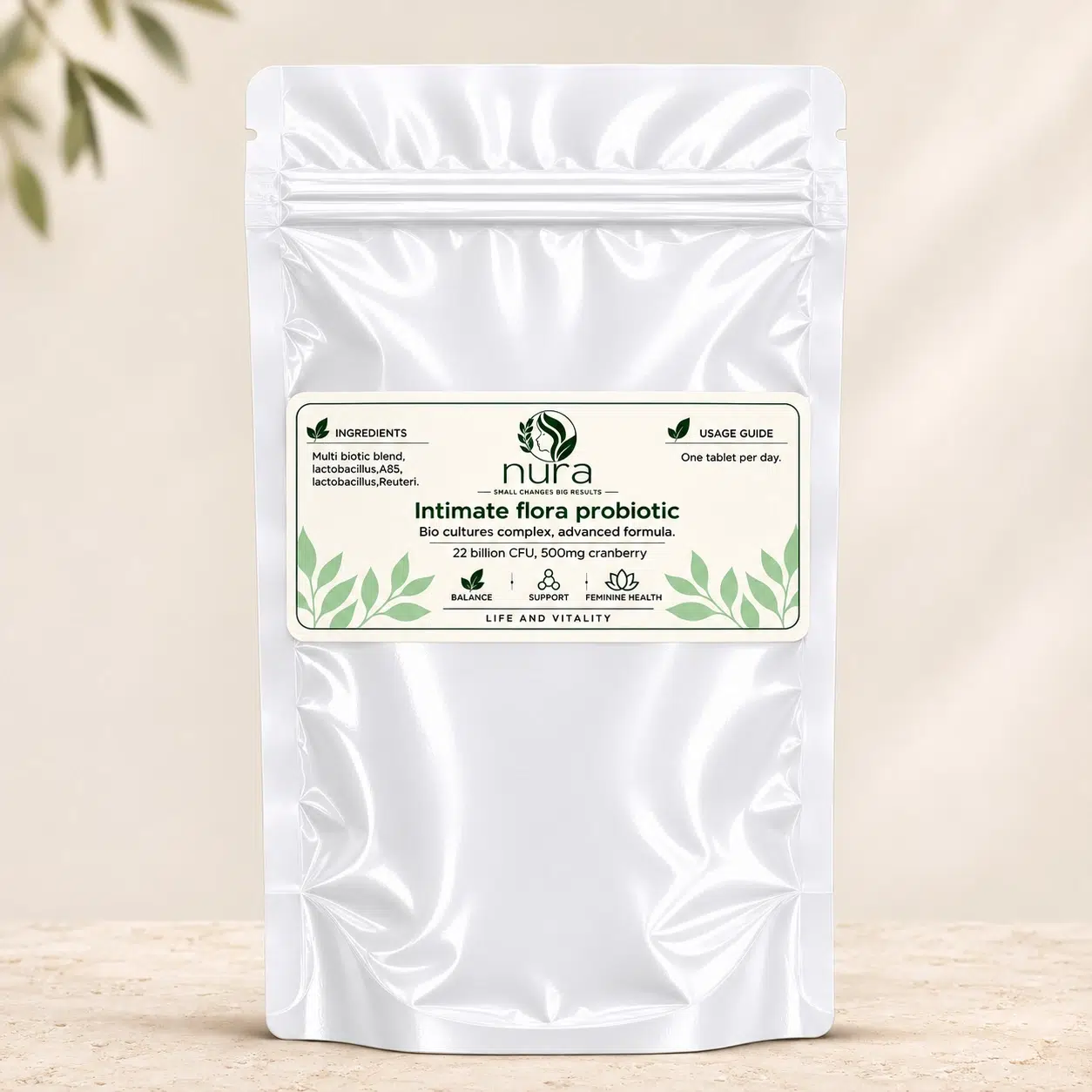
Lactobacillus live cultures and cranberry in a simple daily capsule. Nura Intimate Flora contains 30 oral capsules, with no drink to prepare. £9 per pack.

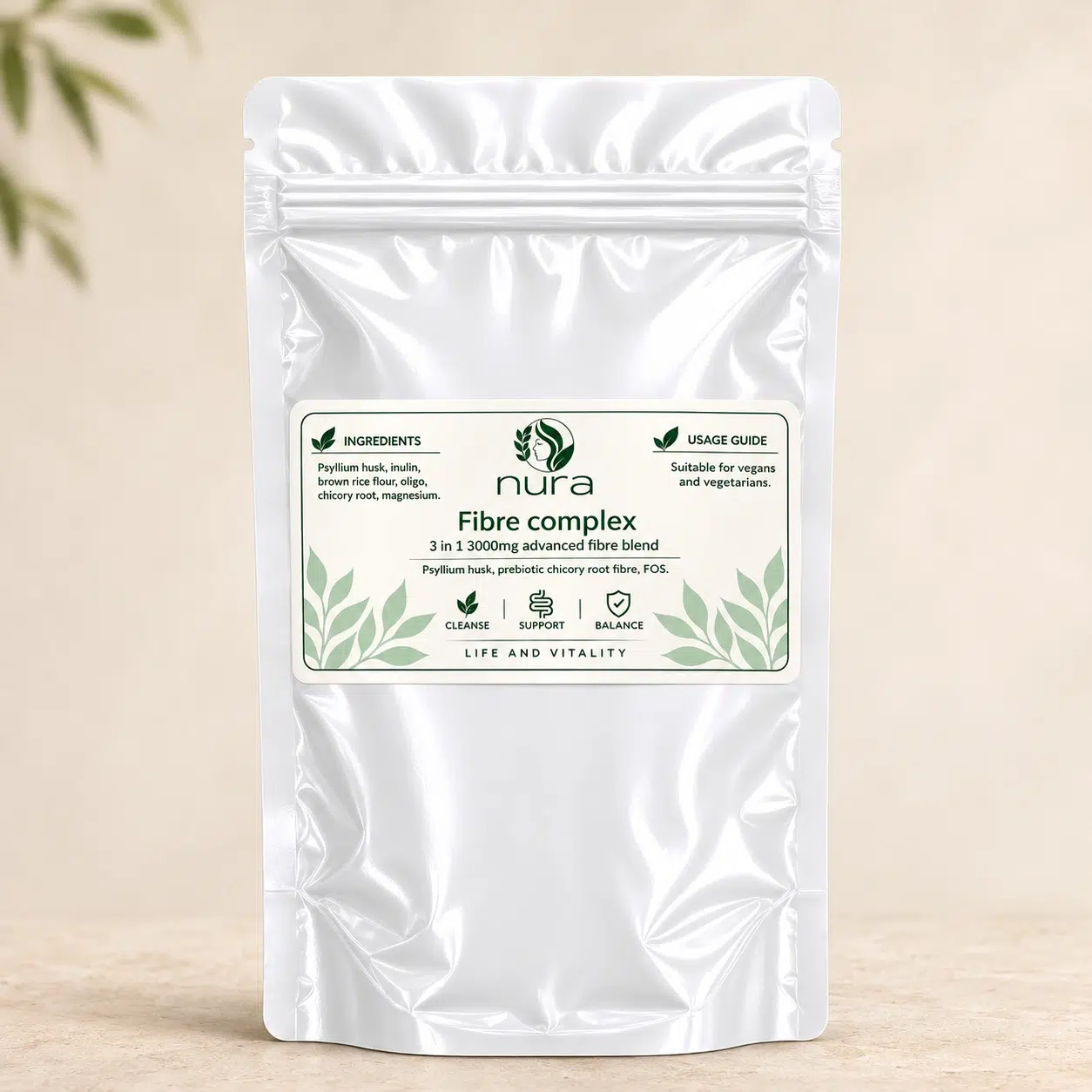
A convenient fibre blend with psyllium husk, inulin, chicory root fibre and FOS. Nura Fibre Complex contains 30 capsules and is suitable for vegans and vegetarians. No powder to mix.

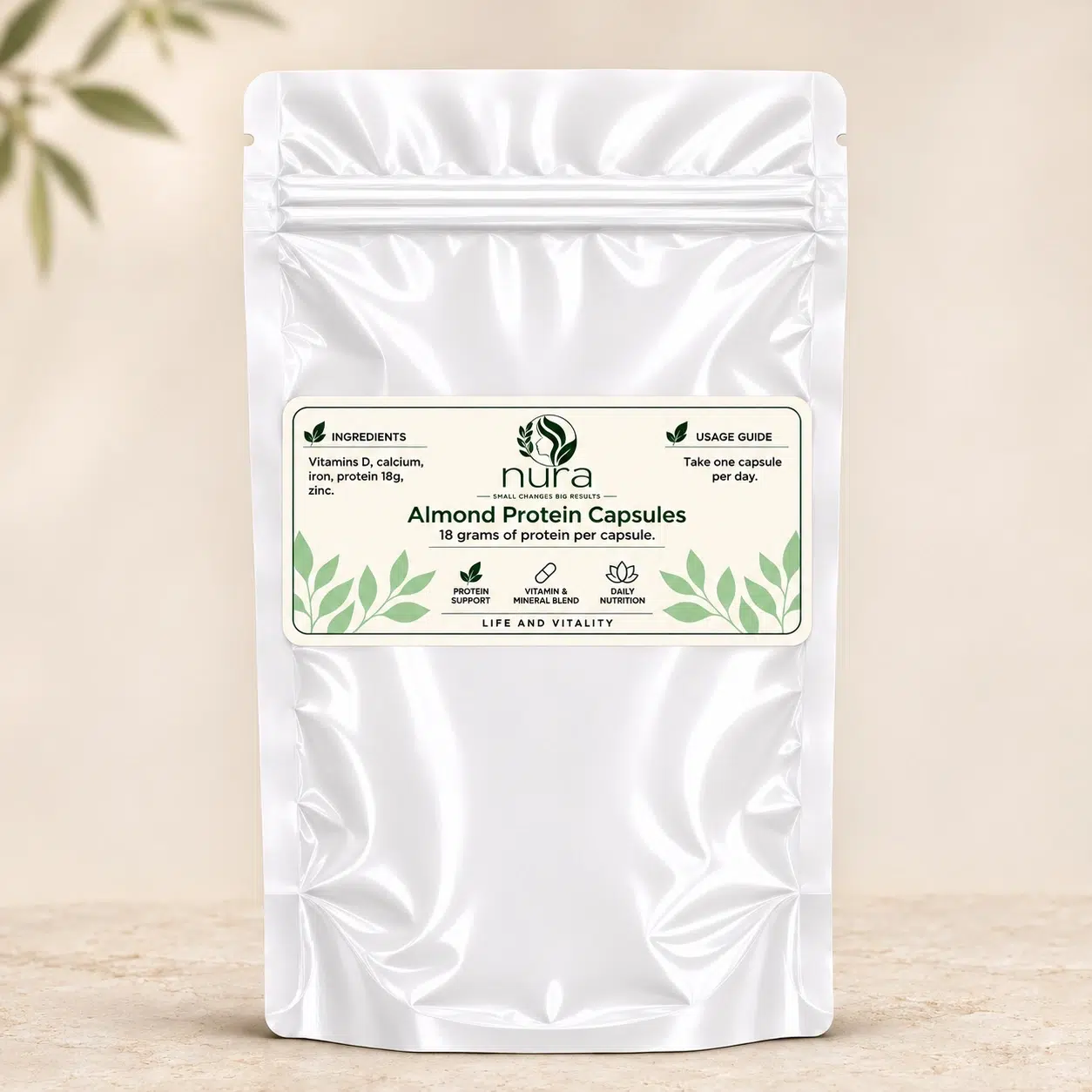
A convenient capsule format with protein, vitamin D, calcium, iron and zinc. Nura Advanced Protein Capsules contain 30 capsules per pouch, with no shake to mix. £10 per pack.
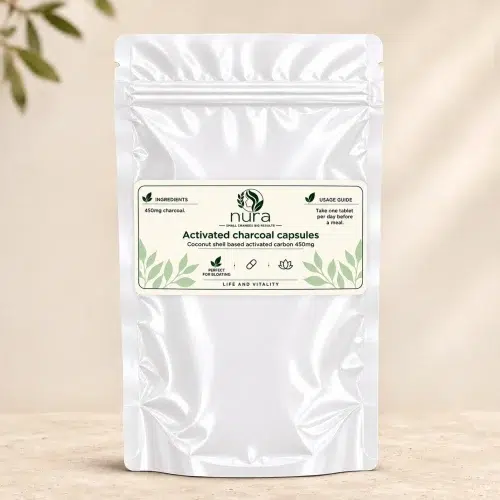
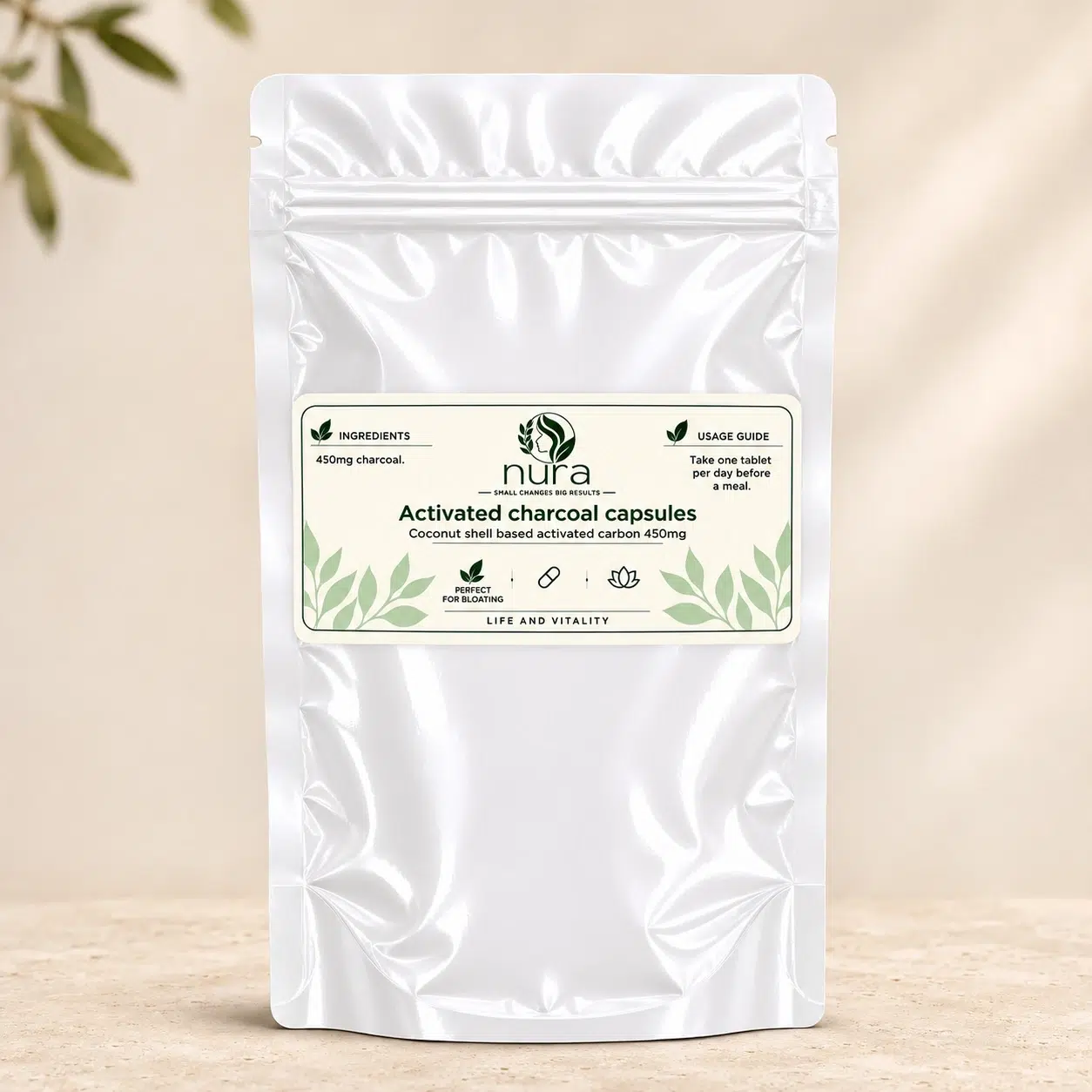
Coconut shell activated charcoal in a convenient 30-capsule pouch. Nura Advanced Charcoal offers a simple capsule format without loose powder to measure. £8 per pack.