How to read a supplement label before you buy
Big numbers on the front of a bottle only tell part of the story. Here is how to check the serving size, ingredients and real cost of a supplement.

IN THIS GUIDE

To read a supplement label, start with the recommended daily serving, then check the amount of each ingredient in that serving. Look at the units, allergens and warnings before comparing price. The biggest number on the front is rarely enough to make a useful comparison.
Two bottles can look almost identical and still offer very different daily servings. A few minutes with the back label can save you buying something that does not fit your needs or budget.
Start with the daily serving
Check how many tablets, capsules or scoops the directions recommend each day. Food supplement labels should state the recommended daily portion and the amounts of relevant nutrients or substances in that portion. [1]
For example, a bottle containing 60 capsules lasts 30 days if the directions say two a day. A second bottle containing 60 capsules lasts 60 days at one a day. The capsule count is the same; the number of daily servings is not.
Now check the heading above the ingredient amounts. Does it say per capsule or per daily serving? Compare equivalent daily portions, following each product’s directions. Do not increase the dose to make one product match another.
Read the units beside the number
Milligrams and micrograms are different measurements. One milligram equals 1,000 micrograms; micrograms may be written as mcg or µg. [2] That means 500 mcg is 0.5 mg, not 500 mg.
Before deciding that one formula is stronger, check that you are comparing the same ingredient, the same units and the same serving basis. If a label is unclear, ask for clarification before ordering.
Understand what NRV tells you
NRV means Nutrient Reference Value. The percentage gives a reference point for the amount of a vitamin or mineral in the daily portion. It is not a personalised recommendation or a score for how effective a product will be. [1]
A higher percentage is not automatically a reason to choose one bottle over another. Your question is whether you need that nutrient at that amount. NHS guidance explains that most people should get the nutrients they need from a varied, balanced diet, although some people need supplements. [3]
Check the complete formula
Read beyond the featured ingredient. Check the full ingredients list, allergy information and dietary suitability. A product name alone cannot tell you whether the capsule shell or other ingredients suit your requirements.
Also check what you already take. A multivitamin and a separate single-nutrient supplement can contain the same nutrient. The British Dietetic Association advises against combining supplements with overlapping nutrients without appropriate advice. [4]
Compare the cost per day
Divide the price by the number of daily servings. Here is an illustrative comparison, not Nura pricing:
- Bottle A costs £12 and provides 30 daily servings: 40p per day.
- Bottle B costs £15 and provides 60 daily servings: 25p per day.
Bottle B costs more at checkout but less per day. That only makes it better value if its formula and serving are appropriate for you. Delivery charges may also change the total.
Questions shoppers often ask
Does a higher strength mean a better supplement?
No. Strength tells you how much is present, not whether you need it. High-dose supplements should only be taken on advice from your GP or healthcare specialist. [5]
What if the product page and bottle disagree?
Ask the seller to confirm the current label and directions before use. Do not choose whichever instruction seems more convenient, and keep the packaging so you can refer back to it.
Put your label knowledge to use
Explore Nura’s Health and Wellness collection with three questions in mind: what is in the daily serving, does it suit me, and what will it cost per day? For a question about a product’s listed details, contact Nura before adding it to your basket.
Sources and further reading
Explore the details.

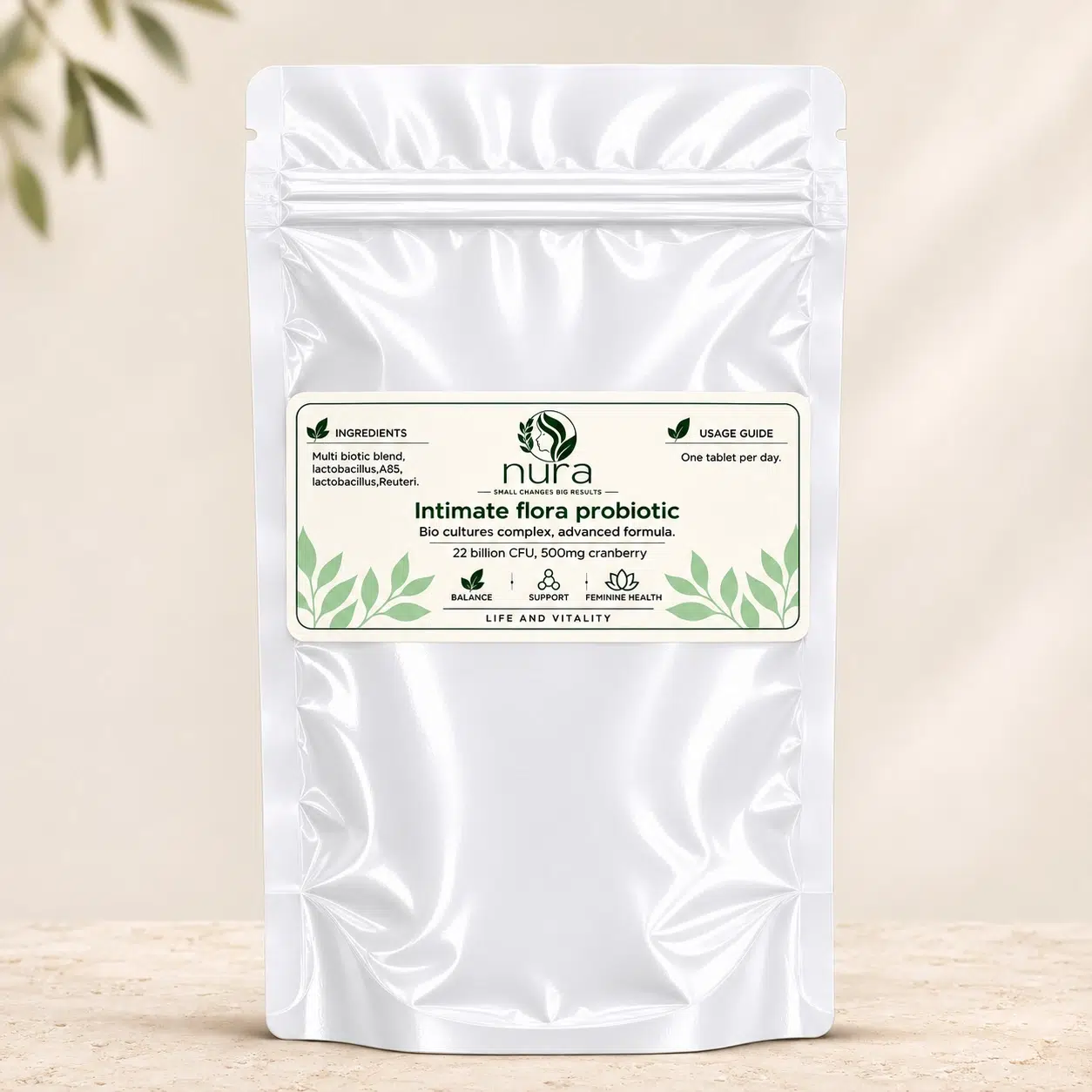
Lactobacillus live cultures and cranberry in a simple daily capsule. Nura Intimate Flora contains 30 oral capsules, with no drink to prepare. £9 per pack.

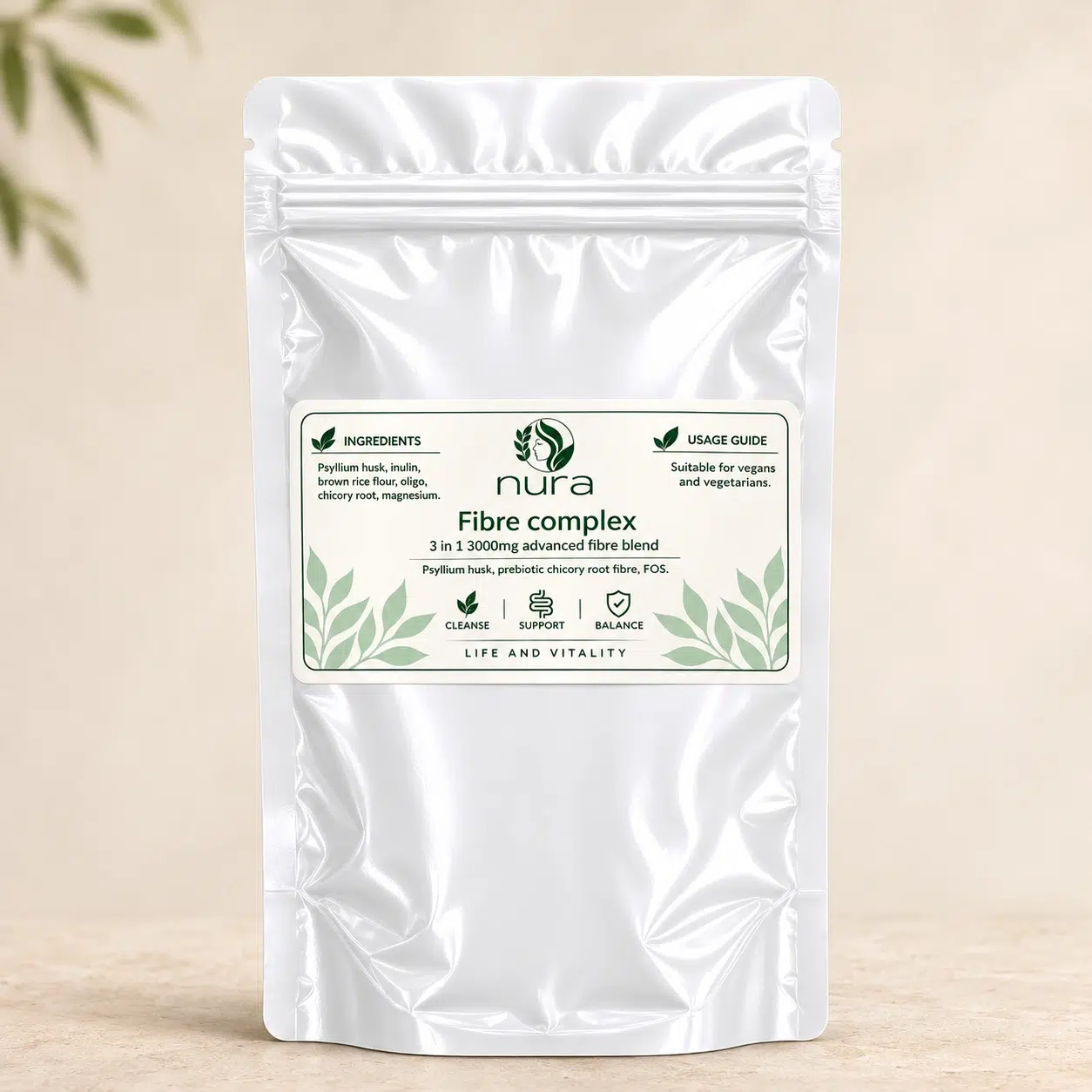
A convenient fibre blend with psyllium husk, inulin, chicory root fibre and FOS. Nura Fibre Complex contains 30 capsules and is suitable for vegans and vegetarians. No powder to mix.

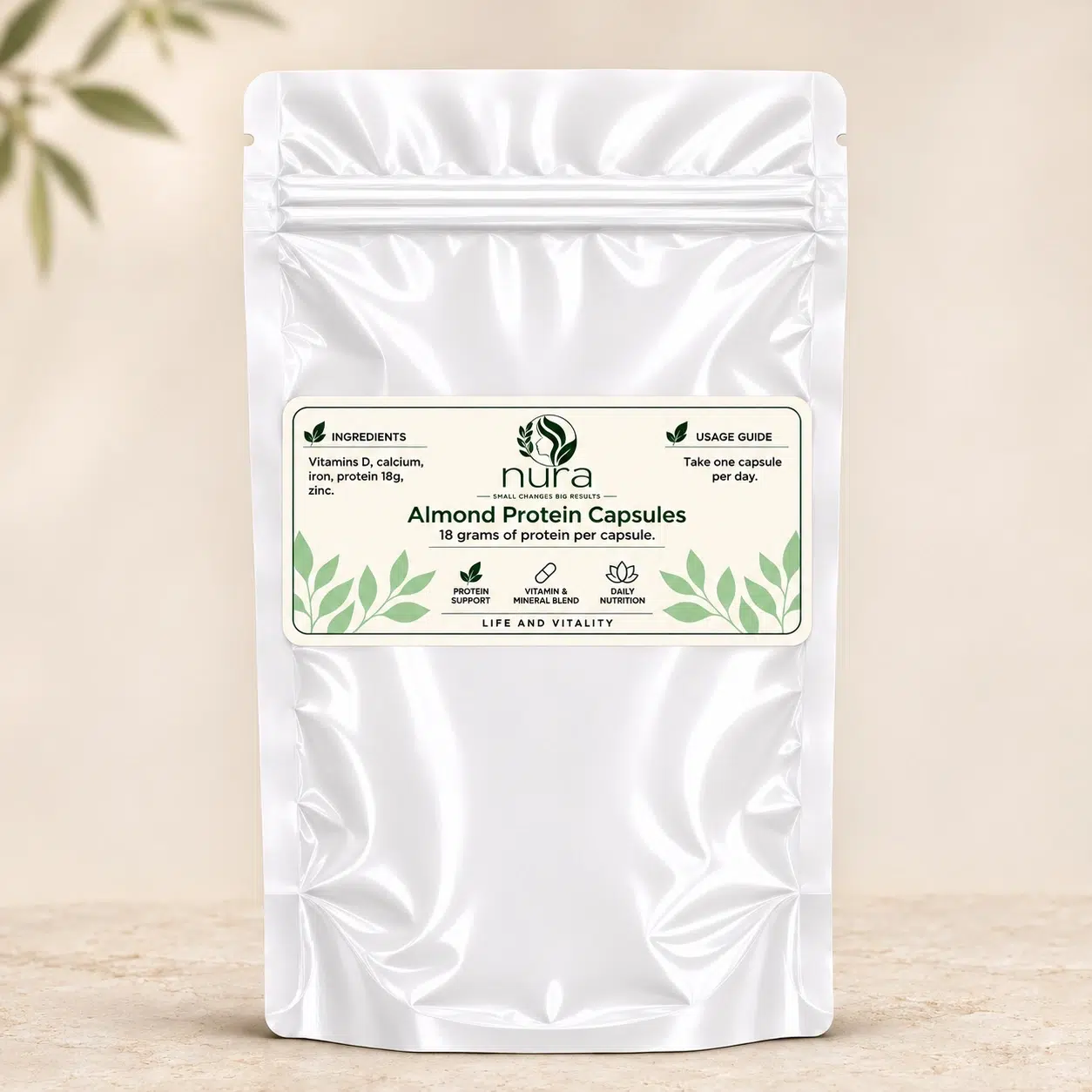
A convenient capsule format with protein, vitamin D, calcium, iron and zinc. Nura Advanced Protein Capsules contain 30 capsules per pouch, with no shake to mix. £10 per pack.
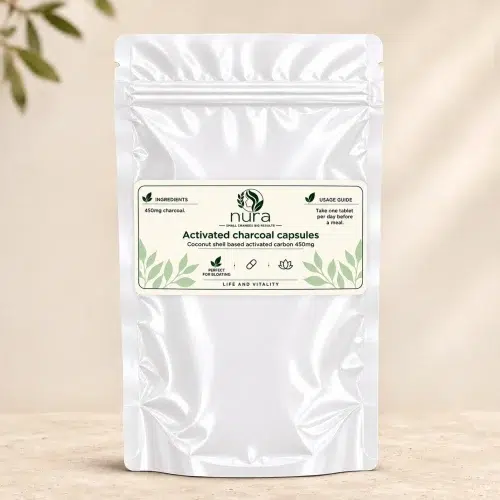
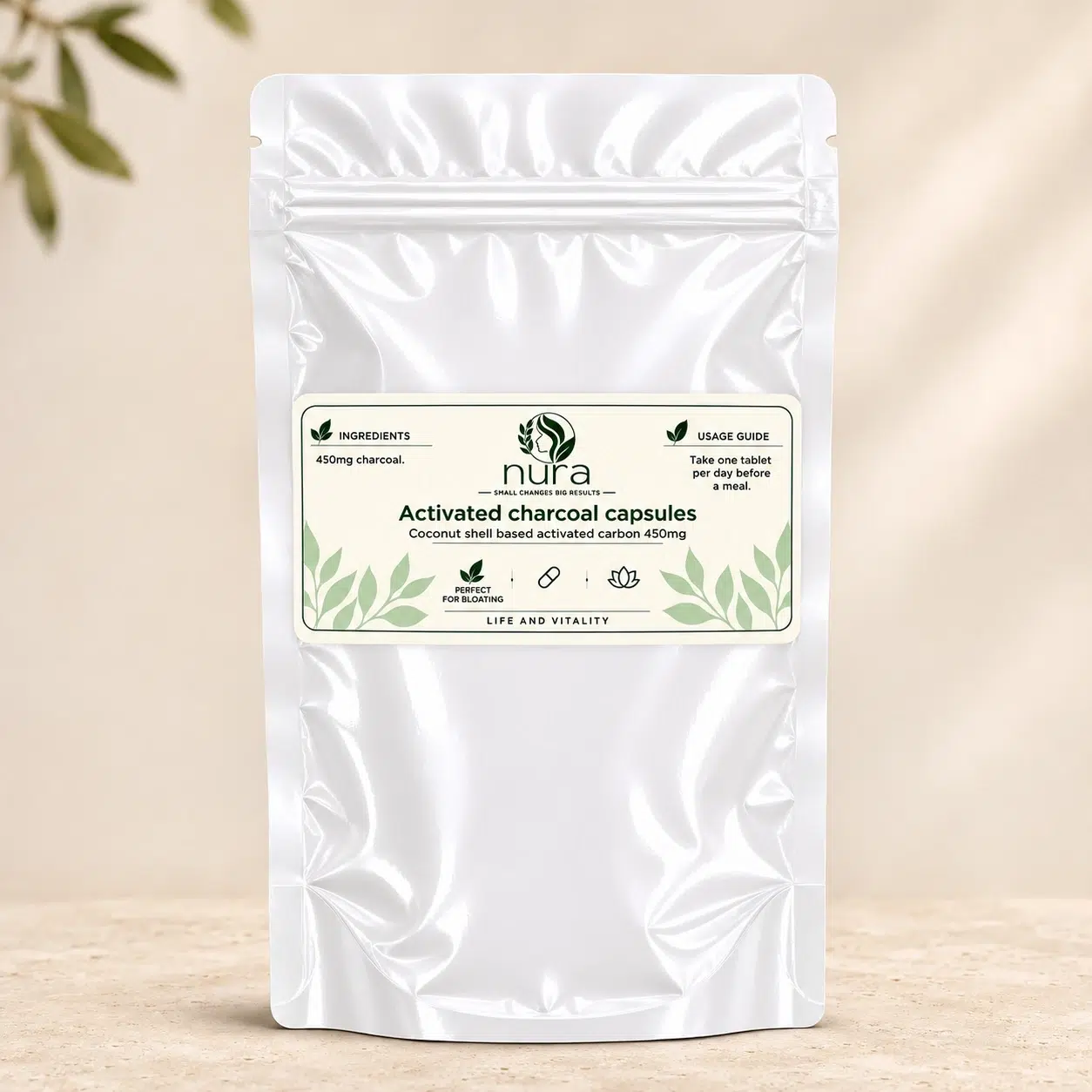
Coconut shell activated charcoal in a convenient 30-capsule pouch. Nura Advanced Charcoal offers a simple capsule format without loose powder to measure. £8 per pack.