How to read a haircare label and choose what your hair needs
Your roots and ends may need different things. Learn how to read a haircare label and choose a shampoo, conditioner or oil with a clear job to do.

IN THIS GUIDE

To read a haircare label, first check what the product does, where it should be applied and whether it is rinsed out or left in. Then read the full ingredient list and precautions. A familiar ingredient on the front is useful information, but it cannot tell you everything about the finished formula.
It also helps to be specific about your hair. ‘I need better haircare’ is a difficult brief. ‘My roots feel oily but my ends get tangled’ gives you something much more useful to work with.
Choose a job for each product
Your shampoo, conditioner and styling products do not need to solve the same problem. The American Academy of Dermatology advises concentrating shampoo on the scalp. Conditioner helps with moisture and detangling; fine or straight hair may need it mainly on the ends, while dry or curly hair may benefit along the lengths. [1]
Use that distinction when you shop. If the main issue is how your lengths feel after washing, adding another scalp product may not address the part of your routine you want to change.
You can compare Nura Clarifying Shampoo and Nura Clarifying Conditioner by reading their individual purposes and directions. A shared range name does not mean both products should be applied in the same way.
Read the application instructions first
Look for whether the product is intended for the scalp, hair lengths or ends. Check whether your hair should be wet, damp or dry, and whether the formula needs rinsing out. A pre-wash product and a finishing product may both be described as an oil, but the directions determine how you use them.
If there is a stated amount or contact time, follow it. Using more than directed is not a reliable way to get better results. If the instructions are missing or ambiguous, ask the seller before trying your own method.
This is particularly useful with capsule formats. Nura Korean Hair Oil Supplement is a topical hair product. Despite the word supplement in its name, its contents are applied externally as directed, not swallowed.
Make sense of the ingredients list
Cosmetic ingredients use standardised names, often called INCI names. They are generally listed in descending order of weight when added, although ingredients below 1% can appear in any order after those present at higher levels. [2]
The list is useful for identifying ingredients, particularly if you have a known allergy. It does not normally reveal the exact amount of every ingredient, and position alone cannot tell you how well the finished product will perform.
Read the entire list rather than just the highlighted botanical on the front. If you have been advised to avoid a particular ingredient, check for it in the full declaration and ask for help if the naming is unclear.
Check the details that are easy to miss
Look for precautions, the pack size and any expiry or period-after-opening information. Cosmetic packaging carries practical information such as ingredient details and a batch identifier, which can help if you need to raise a product query. [3]
Think about how you will use the pack. A larger bottle may cost less per millilitre, but a smaller one may make more sense when trying a new formula. Compare equivalent products rather than judging a concentrated or differently used format by bottle size alone.
Common haircare questions
How often should I wash my hair?
Base it on your hair type and how quickly your scalp gets oily or dirty. There is no single schedule for everyone. Follow the product’s directions and adjust your routine around how your own hair and scalp feel. [1]
Does a hair growth product name guarantee regrowth?
No. A name does not establish a result or explain the cause of hair loss. If you are worried about hair loss, the NHS advises seeing a GP to understand what is causing it. [4]
Give your next purchase a clear purpose
Before browsing Nura’s haircare collection, write down the one thing you want your next product to help with. Then compare its intended use, directions and ingredients. That is a more useful starting point than adding another bottle because the front label sounds promising.
Sources and further reading
Explore the details.

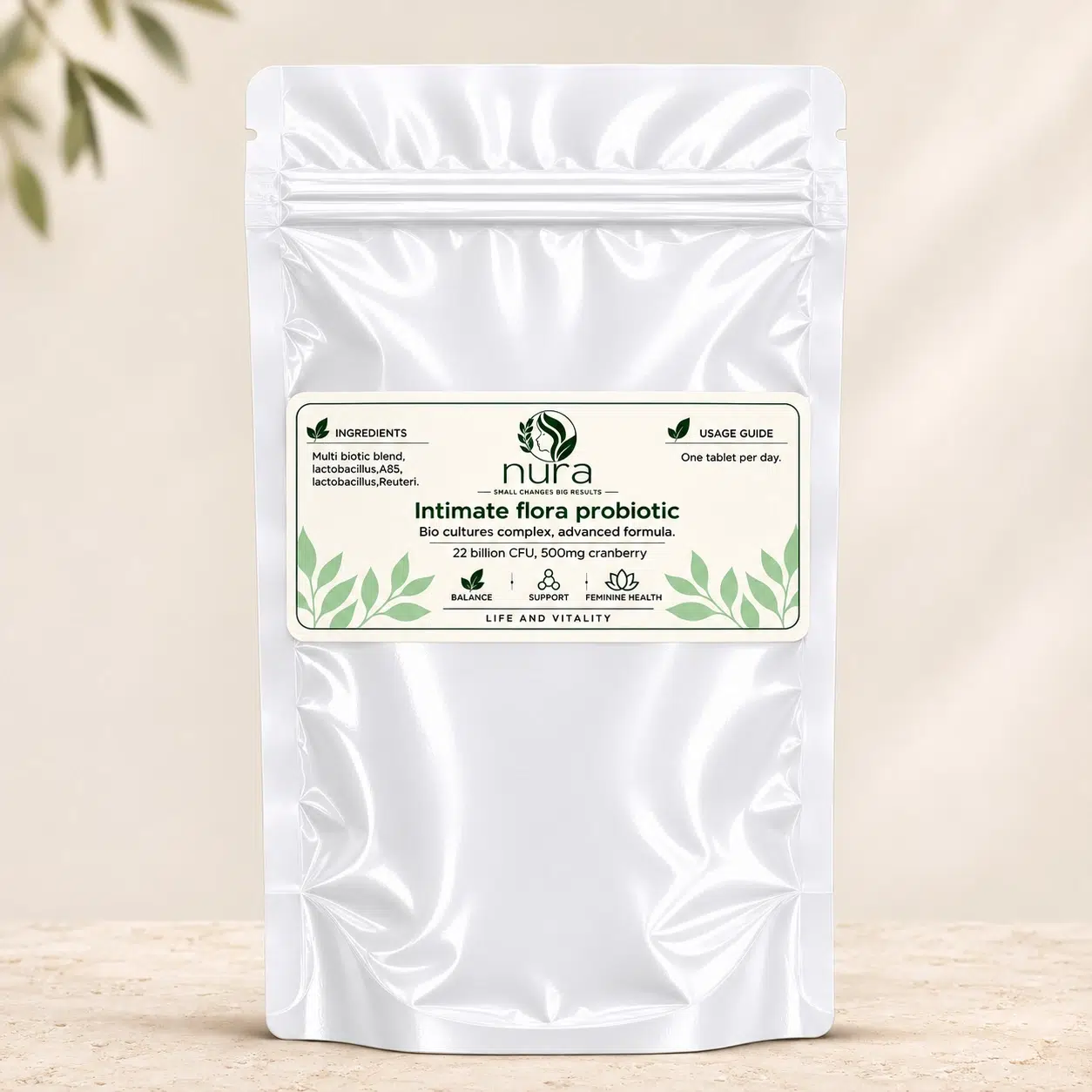
Lactobacillus live cultures and cranberry in a simple daily capsule. Nura Intimate Flora contains 30 oral capsules, with no drink to prepare. £9 per pack.

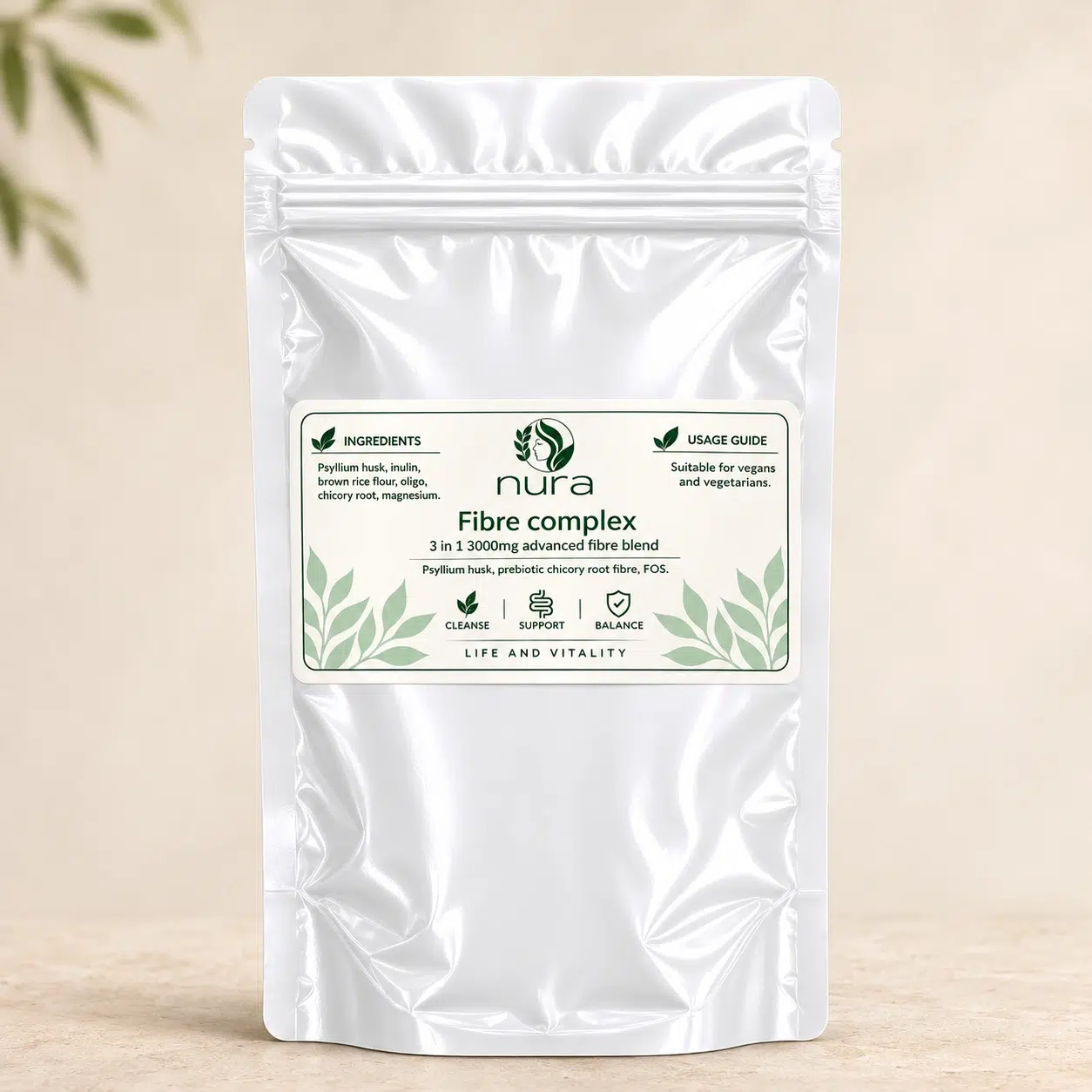
A convenient fibre blend with psyllium husk, inulin, chicory root fibre and FOS. Nura Fibre Complex contains 30 capsules and is suitable for vegans and vegetarians. No powder to mix.

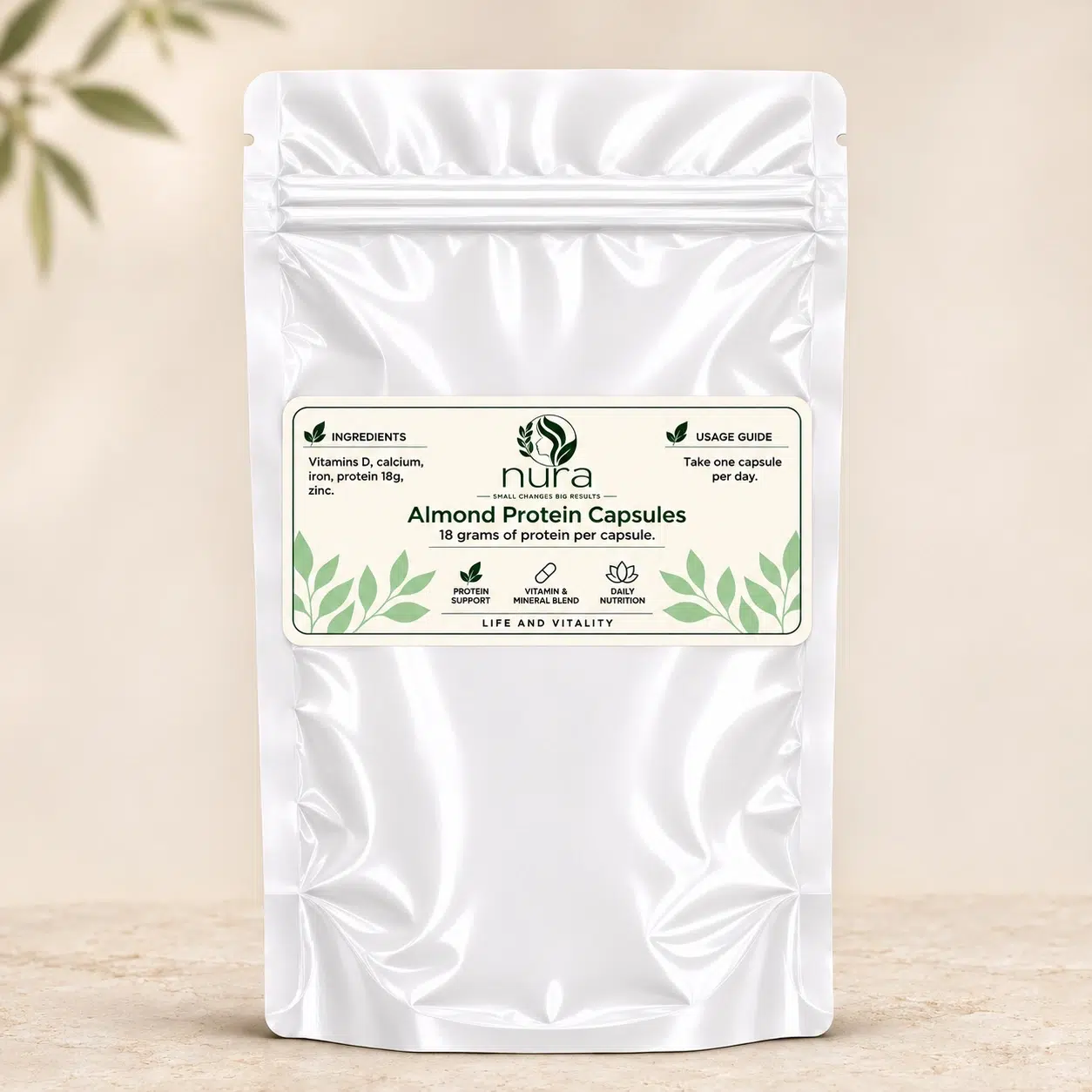
A convenient capsule format with protein, vitamin D, calcium, iron and zinc. Nura Advanced Protein Capsules contain 30 capsules per pouch, with no shake to mix. £10 per pack.
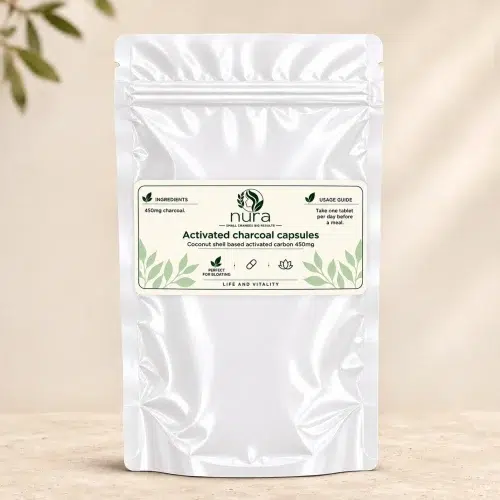
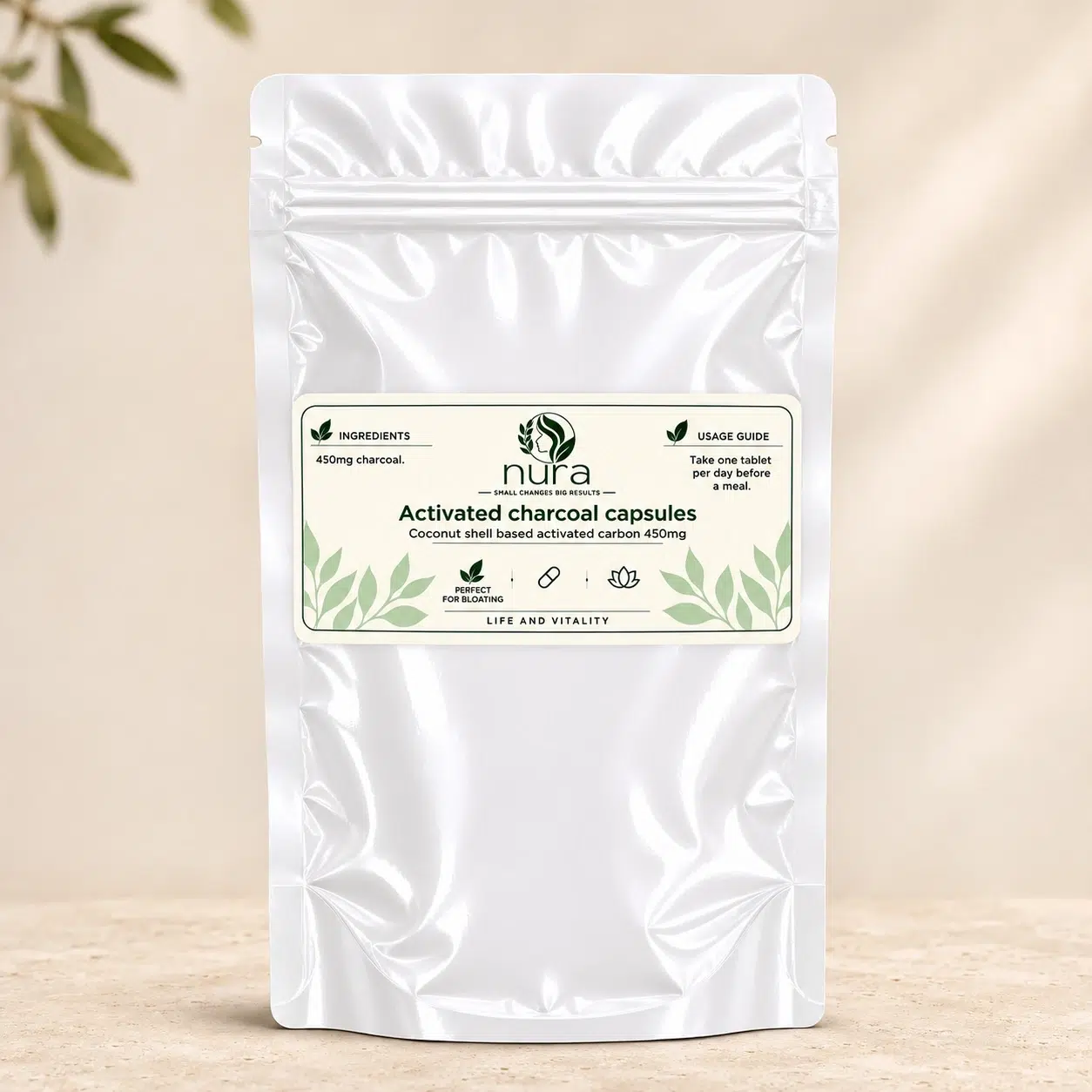
Coconut shell activated charcoal in a convenient 30-capsule pouch. Nura Advanced Charcoal offers a simple capsule format without loose powder to measure. £8 per pack.